
SEO & Paid Advertising
Local SEO for Service Businesses: A Practical Visibility and Inquiry Guide
Improve local SEO for service businesses with accurate profiles, service pages, genuine reviews, local consistency, and a clear path to customer inquiries.
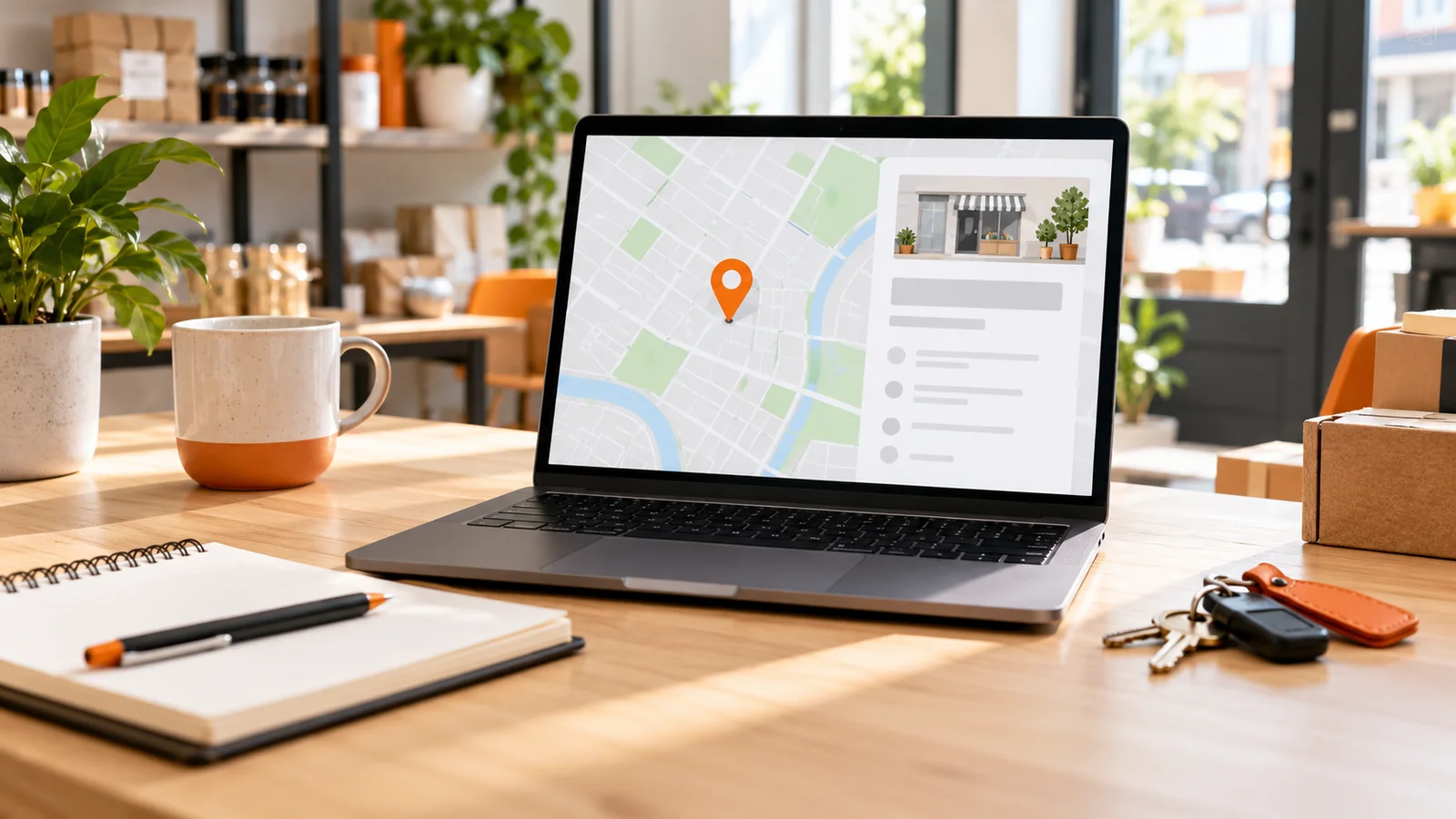
Local SEO for service businesses begins with an accurate explanation of what you do, where you can deliver it, and how a suitable customer can contact you. A business profile, location page, and website form should tell a consistent story.
For a local trades business, professional practice, or specialist service provider, search visibility is useful only when it connects relevant demand with dependable service. More impressions do not automatically mean more suitable work, and a prominent listing cannot compensate for inaccurate availability or a broken inquiry route.
This guide focuses on practical local-search foundations rather than the broader SEO-versus-advertising decision. It covers profiles, service pages, reviews, consistency, and measurement without promising a ranking or a fixed timetable.
Define Your Real Service Area
Start with the locations you can genuinely serve and any practical limitations. Travel time, staffing, delivery arrangements, licensing where applicable, and appointment availability can affect suitability.
Describe whether customers visit your premises, you travel to them, or the service is delivered remotely. Those models can have different profile and website implications. Do not invent offices or use addresses that misrepresent your operating presence.
Create a simple internal reference with the business name, contact details, operating hours, service coverage, and the person responsible for updates. This prevents different team members publishing contradictory information across profiles and pages.
Check Business-Profile Eligibility and Accuracy
An eligible Google Business Profile can provide useful business information in local search and maps. Review the current Google Business Profile guidelines before creating or changing a listing.
Use the business name as genuinely represented, choose appropriate available categories, and describe services accurately. Do not add keyword-heavy wording to the name merely to influence search results. Avoid duplicate profiles created to occupy more positions.
Keep hours, phone details, website links, and relevant service information current. Where profile features differ by category or region, use the options available to your actual business rather than assuming an online tutorial applies to every account.
Protect account access with business-controlled recovery details and appropriate permissions. A staff change should not leave the business unable to update its public information.
Understand Local Visibility Without Ranking Promises
Google describes local results in terms including relevance, distance, and prominence in its local ranking guidance. You can improve the accuracy and usefulness of your information, but you cannot control every factor or buy a guaranteed organic local position.
Results can vary by the searcher's location, query, and circumstances. A screenshot from one device is not a complete performance report. Avoid judging the programme solely by checking a favourite keyword from your office.
Focus on work you can substantiate: correct information, relevant services, useful pages, genuine reviews, and a functioning customer journey. Treat claims of guaranteed map placements or special influence over search systems cautiously.
Give Important Services Clear Website Pages
A useful service page answers what is offered, who it suits, where it is available, and how the process works. Explain scope and common exclusions so visitors can decide whether to inquire.
Use descriptive titles and headings. Include practical details customers repeatedly ask about, such as preparation, appointment arrangements, or the information needed for a quote. Do not add unverified prices, certifications, or emergency availability simply because competitors mention them.
Link related pages logically. A general service overview can lead to a more detailed explanation, while a relevant article can answer a preparation question. Keep the consultation route easy to find without covering content with repeated floating promotions.
Use Location Pages Only When They Add Value
A location page should provide distinct, accurate information for a place you genuinely serve. That might include the available service scope, access considerations, actual contact arrangements, or relevant operational differences.
Changing a city name in otherwise identical text does not create a useful page. Avoid producing many near-duplicate pages merely to target geographical variations. A clear service-area explanation may be better when the service and process are the same everywhere.
Follow Google's people-first content guidance and review the real customer need before expanding the site. If a page cannot explain what a visitor learns that is different, reconsider whether it is needed.
Keep Public Business Information Consistent
Review important profiles, directories, and partner listings for outdated phone numbers, addresses, hours, or website links. Prioritise sources customers actually use rather than paying for large quantities of low-value listings.
Keep a record of where information appears and how it can be updated. If the business changes location or contact details, use that record to coordinate changes. Check that old details are not still embedded in website footers, PDFs, or social biographies.
Consistency does not mean forcing misleading uniformity. A legitimate registered address and customer-facing location may serve different purposes. Explain them appropriately and follow the rules of each platform instead of presenting an address as a public office when it is not one.
Request Genuine Reviews Responsibly
Ask eligible customers for honest feedback through an appropriate process. Make the request easy to understand and avoid pressuring people to describe an experience in a particular way.
Review the platform's current rules before offering incentives or filtering who receives a request. Do not purchase fabricated reviews, ask employees to pose as customers, or selectively route dissatisfied customers away from public feedback to manipulate ratings.
Respond professionally and protect personal information. A complaint can be acknowledged without revealing private account details. Use recurring feedback to improve the service itself, not only the wording of your replies.
For US-facing review practices, consult the FTC's business guidance on reviews and endorsements. Requirements and platform policies should be checked for your market and circumstances.
Connect Local Search to a Useful Landing Journey
A customer may arrive on a small phone while comparing nearby providers. Make the service, location suitability, contact options, and next step easy to understand. Avoid forcing visitors to hunt through unrelated pages.
Use accessible forms, clear labels, and useful confirmation. A quote request is not automatically an appointment, and a click on a phone number is not proof that a call was answered.
Our service landing-page checklist explains the page structure in more detail. If your profile and website currently tell different stories, discuss a local inquiry journey with Pesa Vesa before increasing promotional activity.
Measure Relevant Actions and Actual Outcomes
Choose a small set of measures linked to your service model. These may include relevant website visits, genuine calls or messages where reliably recorded, accepted inquiries, qualified consultations, and eventual customers.
Use profile reporting and Search Console performance information as inputs, not complete sales records. Some interactions happen outside your website, and attribution can be incomplete.
Record whether inquiries match the service area and scope. Ten unsuitable requests can consume more time than a smaller number of relevant conversations. Review missed calls, response capacity, and actual appointment availability alongside visibility metrics.
Do not collect or transfer unnecessary personal data to produce a more elaborate dashboard. Explain what is measured and acknowledge gaps.
Build a Practical Local-Search Audit
| Area | Check | Useful evidence |
|---|---|---|
| Eligibility | Profile reflects the real business model | Current official platform requirements |
| Information | Name, hours, contact route, and coverage are accurate | Verified internal business reference |
| Website | Services and locations are explained clearly | Mobile review and customer questions |
| Reviews | Feedback requests and replies are genuine | Documented request process |
| Conversion | Calls and forms reach a responsible person | Safe end-to-end inquiry test |
| Reporting | Relevant demand connects with outcomes | Qualification and customer records |
Assign an owner to each unresolved issue. Correct clear factual errors before experimenting with small wording changes. If a profile is suspended or a category is restricted, use the platform's official support process rather than creating misleading replacement listings.
Review Changes in a Sensible Order
Start with accuracy and access. Then improve the main service pages, contact journey, and review process. Only after those foundations work should you consider producing additional local content or expanding promotion.
Keep a change log so the team knows when major information or page updates occurred. Search demand can be seasonal, and a change in staffing or opening hours may affect inquiries independently of SEO work.
If you use advertising alongside local search, keep the purposes distinguishable. Our SEO vs Google Ads comparison explains the broader investment trade-offs. Paid visibility does not purchase better organic local rankings.
Frequently Asked Questions
Can a business without a customer-facing office use local SEO?
Potentially, depending on its real service model and platform eligibility. Review current service-area and address rules before creating a profile. Do not publish a location that customers cannot genuinely use as represented.
Do I need a page for every town nearby?
No. Create a location page only when it adds accurate, distinct value. A clear coverage section may serve readers better than many pages with only the place name changed.
How quickly will local SEO produce inquiries?
There is no universal timetable. Accuracy, existing visibility, competition, demand, and the inquiry process all matter. Agree practical work milestones and review meaningful outcomes rather than relying on a fixed ranking promise.
Should I reply to every review?
Use an appropriate, consistent response approach that respects privacy and platform rules. Thoughtful replies can clarify the next step, but repetitive promotional responses may be less useful than a concise acknowledgement.
Make Local Visibility Useful to Customers
Local search is strongest when accurate public information leads to a clear, dependable service journey. Improve what customers need to know and make the next interaction easy to complete.
Pesa Vesa's Growth services include SEO, website development, conversion improvement, and reporting. Plan your local-search priorities with Pesa Vesa, based on the services and locations you can genuinely support.
Keep exploring.

SEO vs Google Ads: Which Is Better for Small Business Growth?
Compare SEO vs Google Ads by search intent, timing, cost, measurement, and business readiness, then choose a practical approach for your small business.
Read Article