Commerce
How to Start an E-commerce Business in 2026: A Step-by-Step Guide for Beginners
Learn how to start an e-commerce business in 2026: choose a model, compare platforms, plan startup costs, find suppliers, and launch with a practical strategy.
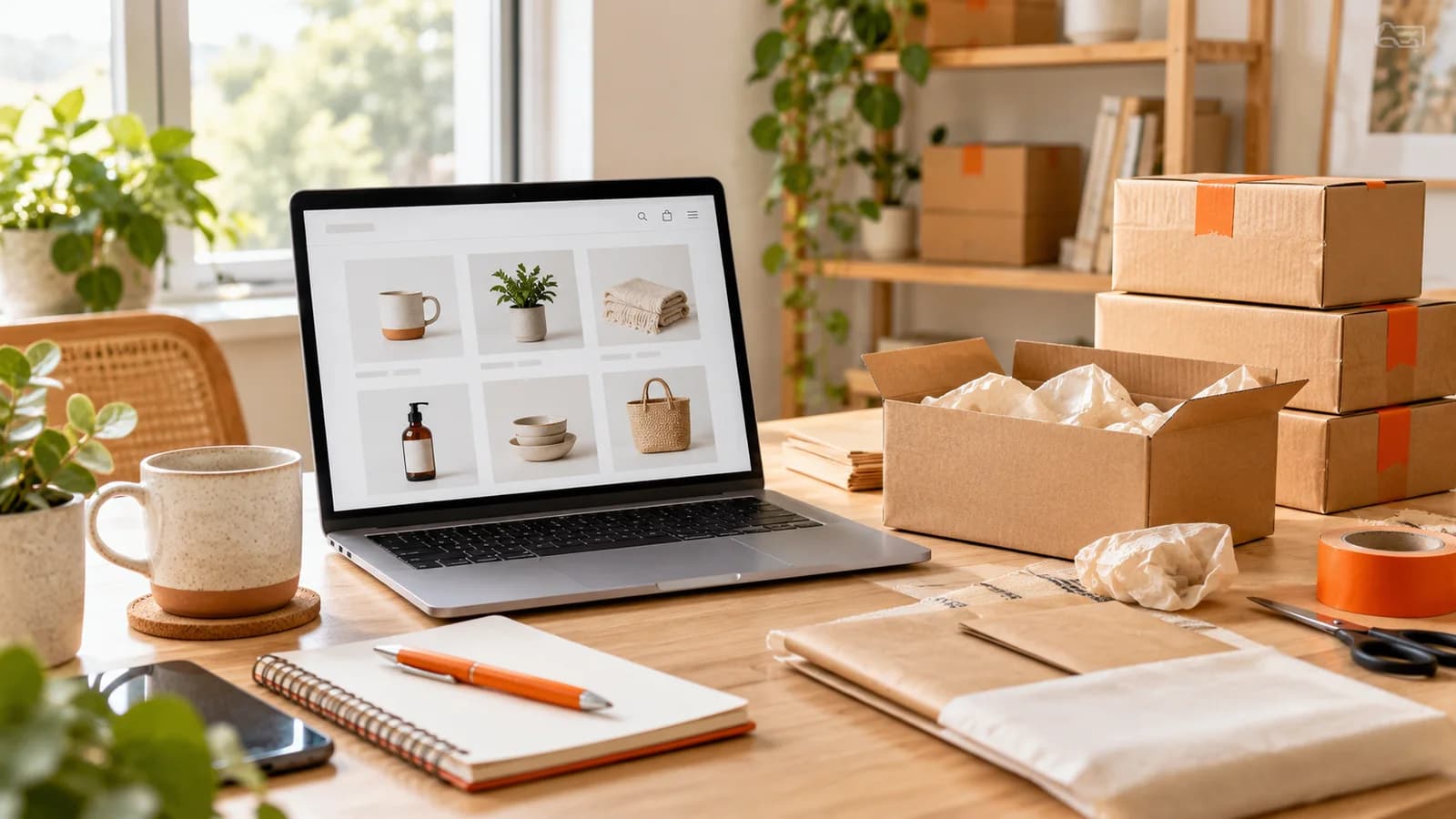
Learning how to start an e-commerce business in 2026 begins with a practical question: what can you sell, to whom, and at a price that supports reliable delivery and healthy cash flow?
An online store can reach customers beyond your local area, but opening an account is only the beginning. Product research, supplier checks, customer service, compliance, and budgeting determine whether the operation is sustainable. Competition is real, and sales do not automatically mean profit.
This guide explains e-commerce business for beginners, from choosing a model to handling your first orders. Whether you want to serve customers in the USA or UK, start small, test your assumptions, and build a repeatable process before scaling.
What Is an E-commerce Business?
An e-commerce business sells goods or services through digital channels. A customer finds a product, places an order, and pays online; the seller then arranges fulfillment and supports the customer afterward.
Examples include a handmade-gift shop, a specialist homeware store, and a wholesale business selling through a marketplace. You might own the inventory, use a fulfillment partner, or commission products on demand. In every case, someone must remain accountable for product accuracy, delivery, returns, and customer communication.
Why Start an E-commerce Business in 2026?
Digital commerce lets you test a focused offer, reach specific audiences, and measure customer behavior. You can start with a limited product range and improve it using real questions, conversion data, and order feedback.
Online selling also offers flexibility in where you manage administration and marketing. However, flexibility does not remove deadlines, platform rules, or working-capital needs. Treat 2026 as your planning year, not evidence that a particular platform or product will be profitable. A clear customer problem matters more than following a trend.
Step 1 — Choose Your E-commerce Business Model
Choose a model that fits your budget, skills, and control over fulfillment.
- Dropshipping: An approved supplier ships orders directly to customers. You avoid holding some inventory but depend heavily on supplier stock, packaging, and delivery performance.
- Wholesale: Buy existing products in bulk from legitimate suppliers. Check authorization, authenticity, minimum quantities, and storage requirements.
- Private label: Sell products under your own brand. Allow for samples, packaging, quality checks, and potentially larger production commitments.
- Print-on-demand: A production partner prints your designs after an order. Check sample quality, production times, intellectual-property rights, and platform eligibility.
- Traditional inventory-based selling: Purchase and hold stock, then dispatch orders yourself or through a fulfillment provider. This gives more control but ties up cash.
Compare the responsibilities as well as the initial spend. Lower upfront inventory does not mean zero operating costs.
Step 2 — Select the Right E-commerce Platform
Starting an e-commerce store involves choosing between marketplace access and an independent storefront.
eBay can suit sellers with researched products and dependable fulfillment. For an eBay dropshipping business, distinguish wholesale-supplier fulfillment from buying from another retailer or marketplace after receiving a customer order. eBay's policy permits qualifying wholesale-supplier dropshipping; the latter retail-fulfillment approach is prohibited. Read the official eBay dropshipping policy before choosing suppliers.
Amazon offers marketplace infrastructure with detailed selling requirements. Supplier fulfillment must satisfy its seller-of-record and related packaging, documentation, and returns rules. Read Amazon's dropshipping guidance and the policies linked there; another retailer shipping under its own identity is not a compliant shortcut.
Walmart Marketplace has a seller application and operational requirements. Check the official seller qualifications and current policies before budgeting; acceptance is not automatic or guaranteed for beginners.
Etsy suits eligible creative products, not unrestricted resale of generic merchandise. Original designs using disclosed production partners can be appropriate, while resale exceptions depend on the category. Review Etsy's Seller Policy and its linked Creativity Standards.
Shopify provides an independent storefront. You control more of the brand experience but must attract your own traffic and manage compliance. Review Shopify's dropshipping responsibilities if using supplier fulfillment.
Policies and fees change. Check the current rules for your account, product category, and selling country before launch.
Step 3 — Research Your Target Market and Products
Define one customer group and a specific need. Study competing listings, review recurring complaints, compare delivery promises, and identify a useful difference you can deliver.
Estimate profit from the full order economics: selling price minus product cost, shipping, platform charges, advertising, expected returns, and other applicable expenses. A large markup alone does not establish profitability.
Before purchasing heavily, request samples and test a small selection. Check product safety, authenticity, intellectual-property restrictions, seasonal demand, and whether customers can easily compare your offer with cheaper alternatives. Record your assumptions so actual orders can confirm or challenge them.
Step 4 — Plan Your Startup Budget
Separate setup spending from working capital. Setup may include samples, business administration, product photography, packaging, and store preparation. Working capital pays suppliers and ongoing expenses while you wait for customer funds to become available.
Include marketplace fees, payment processing, shipping, advertising, software, refunds, returns, and damaged goods. Payout delays or reserves can create a cash shortage even when orders look profitable.
Create a simple weekly cash-flow forecast. List when money leaves, when payouts are expected, and what remains available for the next order. Keep a reserve rather than committing every dollar to stock or advertising.
Step 5 — Set Up Your Business and Seller Accounts
Use accurate, consistent business details. Platforms may request identity documents, address evidence, business registration information, bank details, and relevant tax information. Apply only through official channels and keep account access secure.
If building an online business in the USA and UK, distinguish your business location from your customer market. Registration, sales tax or VAT, import responsibilities, product safety, privacy, and consumer rights depend on your circumstances. Get qualified local advice rather than assuming one registration covers everything.
Set clear shipping, cancellation, privacy, and return policies. Prepare support templates, payment methods, recordkeeping, and a process for handling complaints before accepting orders.
Step 6 — Find Reliable Suppliers
Ask for business details, invoices, samples, dispatch timelines, tracking arrangements, and a clear returns process. Confirm where stock is held and how inventory updates reach you.
Test an order yourself. Check packaging, product condition, delivery time, and whether any third-party branding or paperwork conflicts with marketplace requirements. Obtain permission to use product photos and descriptions.
Put service expectations in writing and plan for unavailable stock. A supplier's promise does not transfer your responsibility to the customer. Avoid arrangements that rely on prohibited retail arbitrage fulfillment or provide no reliable visibility into shipping and returns.
Step 7 — Create and Optimize Your Product Listings
Write titles that identify the product clearly, including relevant size, material, model, or use. Use customer language naturally rather than repeating keywords.
Descriptions should explain benefits and specifications, what is included, delivery expectations, and important limitations. Use accurate photographs that you own or are authorized to use. Never imply a certification, endorsement, or product feature you cannot substantiate.
Price using your cost worksheet, not competitors' prices alone. Check mobile readability, image clarity, variation options, and return information. Trust grows when the listing matches what arrives at the customer's door.
Step 8 — Launch Your E-commerce Business
Launch a manageable product range. Test checkout, payment confirmation, shipping settings, order notifications, and the customer-support channel before promoting it.
Use a daily operating checklist:
- Confirm stock and review new orders.
- Arrange compliant fulfillment and upload valid tracking.
- Respond to customer messages and delivery exceptions.
- Record expenses, refunds, and supplier payments.
- Review cancellations, delivery performance, and available cash.
Early performance monitoring should identify operational problems as well as sales opportunities. Fix inaccurate listings or unreliable shipping before increasing order volume.
Step 9 — Market and Grow Your Online Business
Build growth around a clear offer and a functioning customer journey. SEO helps relevant pages answer search queries; useful content can explain product selection and purchasing decisions. Paid advertising can test demand, but set a budget and measure results after relevant costs.
Improve conversion by clarifying delivery, strengthening product images, and reducing checkout friction. Retention comes from dependable service and relevant follow-up, with appropriate consent for marketing.
Track conversion rate, acquisition cost, repeat purchases, refunds, and contribution after variable costs. Pesa Vesa's Growth services can support a coordinated marketing approach when your operation is ready for more demand.
How Much Does It Cost to Start an E-commerce Business?
E-commerce startup costs depend on the product, model, location, and fulfillment method. The examples below are illustrative USD planning budgets, not platform fees, supplier quotations, minimum requirements, or Pesa Vesa package prices.
| Budget item | Small validation test | Focused inventory launch | Larger product test |
|---|---|---|---|
| Samples or initial products | $250 | $1,200 | $3,000 |
| Setup, packaging, and tools | $75 | $150 | $400 |
| Initial marketing tests | $75 | $250 | $600 |
| Working-capital and returns reserve | $200 | $400 | $1,000 |
| Illustrative total | $600 | $2,000 | $5,000 |
These allocations may be insufficient for particular categories or locations. They exclude owner pay, professional advice, taxes, and any product-specific testing or certification. Ongoing platform, fulfillment, and transaction charges still need separate quotes and a cash-flow allowance. A reserve is cash held available, not necessarily an expense already incurred.
Common Mistakes New E-commerce Entrepreneurs Should Avoid
- Expecting instant income: Validate demand and costs before setting earnings expectations.
- Trusting untested suppliers: Check samples, dispatch performance, and documentation.
- Ignoring policies: A technically possible fulfillment method may still violate marketplace rules.
- Confusing revenue with profit: Include refunds, fees, advertising, and overheads.
- Running short of cash: Plan for payout timing, replacement orders, and returns.
- Scaling before fixing operations: More orders amplify existing service problems.
Maintain an issue log and review it weekly. Small corrections are easier before the business grows.
Can You Start an E-commerce Business While Working Full-Time?
Yes, provided the workload and customer commitments fit a realistic schedule. Reserve time for supplier decisions, financial review, and urgent issues. Automated tools can reduce repetitive work, but someone still needs to supervise them.
Managed e-commerce operations can help with agreed tasks such as research, listings, order coordination, and customer support. This is a working business relationship, not an automatic passive-income arrangement.
Explore Pesa Vesa Commerce to discuss responsibilities, reporting, operating costs, account access, and partnership terms. Understand what you must approve, fund, and oversee before committing.
Frequently Asked Questions
How do I start an online business with no experience?
Choose one customer group, learn one platform, and test a small product range. Practice budgeting, supplier checks, and order handling before expanding. Use official platform learning resources.
Which e-commerce business model is best for beginners?
There is no universal best model. Small inventory tests offer control; supplier fulfillment reduces some stock commitments but adds dependency. Compare cash needs, compliance, and available time.
Is dropshipping allowed on every marketplace?
No. Each platform sets its own conditions. Wholesale-supplier fulfillment and retail-arbitrage fulfillment are different arrangements. Check the relevant rules before listing; a supplier's reassurance is not enough.
Do I need my own website to start selling?
Not always. An eligible marketplace account can provide your initial selling channel. An independent website offers more brand control but requires traffic generation and its own operating setup.
Can I sell to customers in the USA or UK from another country?
Potentially, if the platform accepts your business and you meet applicable requirements. Confirm account eligibility, payments, import arrangements, tax obligations, product compliance, and practical customer returns first.
How long does it take to become profitable?
There is no fixed timeline. Profitability depends on demand, margins, acquisition costs, fulfillment, and overheads. Review actual results regularly and adjust your offer or spending when assumptions do not hold.
Final Thoughts — Start Your E-commerce Journey With Pesa Vesa
A sustainable start combines a suitable model, reliable suppliers, accurate listings, disciplined budgeting, and consistent service. Build evidence with a controlled test before taking on larger commitments.
Ready to explore your e-commerce business opportunities? Connect with Pesa Vesa and discuss a practical strategy tailored to your goals. For a general conversation about your next step, book a consultation.